How to Choose Supplement Packaging for Stability
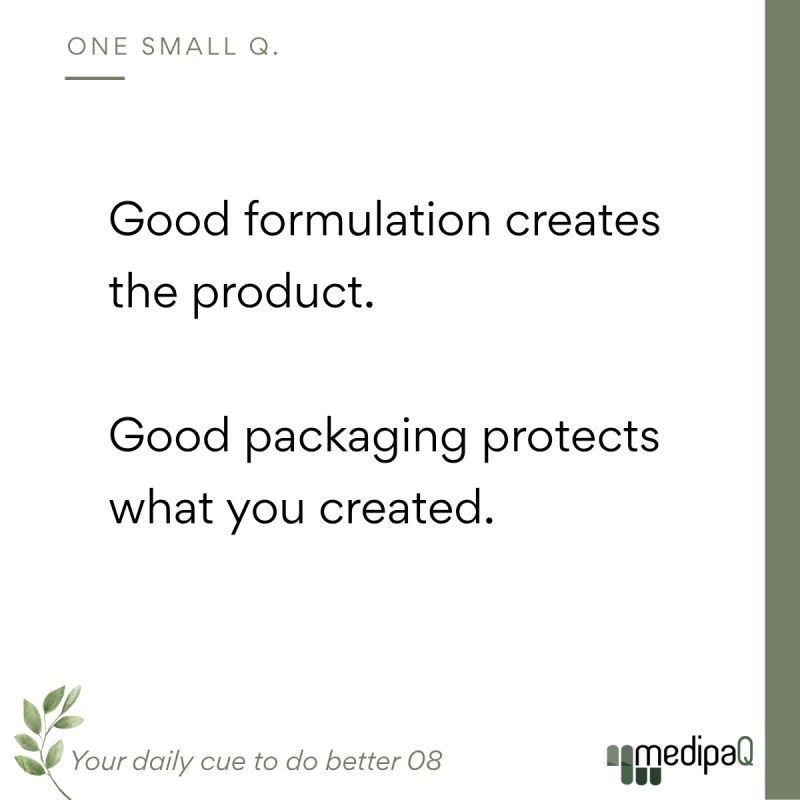
Months can go into developing a great supplement. The wrong packaging can quietly undo that work.
Moisture. Oxygen. Light. Heat.
For sensitive products, these can gradually affect quality and stability throughout shelf life.
So when a new product reaches the packaging stage, how should a brand decide what it really needs?
We can simplify the thinking into 3 steps:
1. RISK: Start with the product, not the packaging catalogue.
What could affect it? Moisture, oxygen, light, heat? Understand the formulation, the ingredients, the stability risks, the intended shelf life, and how the consumer will really use the product day to day.
2. PROTECT: Now design the packaging around those risks.
Bottle or blister? Which bottle material? Which closure? Does it need greater moisture, oxygen or light protection?
The bottle, closure, induction seal, liner and desiccant should not be considered independently. Together, they form the product protection system (PPS). Yes, it is a system, not just a bottle or cap.
Good-looking packaging is important. But when choosing packaging materials, add another very important question: Will this system protect the product all the way through its intended shelf life?
3. PROVE: Ideally, you support the decision with appropriate stability and packaging data. But there is a challenge we regularly see in the complementary medicines industry. It's a new product. It might be a new packaging material. And the launch timeline is tight. You simply don't have every piece of long-term data on day one.
So what can you do while the formal stability program runs its course?
Follow these action steps whenever you meet this challenge:
Ask. Accelerate. Experiment.
- Ask: Talk to your experienced manufacturer or contract packer. They may already have useful experience or relevant existing data.
- Accelerate: Where appropriate, conduct accelerated stability studies to generate earlier information while real-time stability continues.
- Experiment: And don't underestimate simple, structured, practical testing. Inspect the bottle and closure. Look for anything inconsistent. Send the components to your contract packer and run a production trial. Fill several bottles with the actual product and simulate how a consumer would use them, opening and closing them repeatedly over several weeks and watching for changes in appearance, odour, texture or closure performance.
Don't just test one bottle. Use several samples, keep an untouched unit for comparison, try a few real world conditions, and record what you see.
These simple experiments don't replace formal stability studies or regulatory evidence. But they may reveal something valuable early enough for you to ask better questions, investigate further and make a better packaging decision. And who knows, this curiosity may lead you to places that you never expected before personally and professionally!